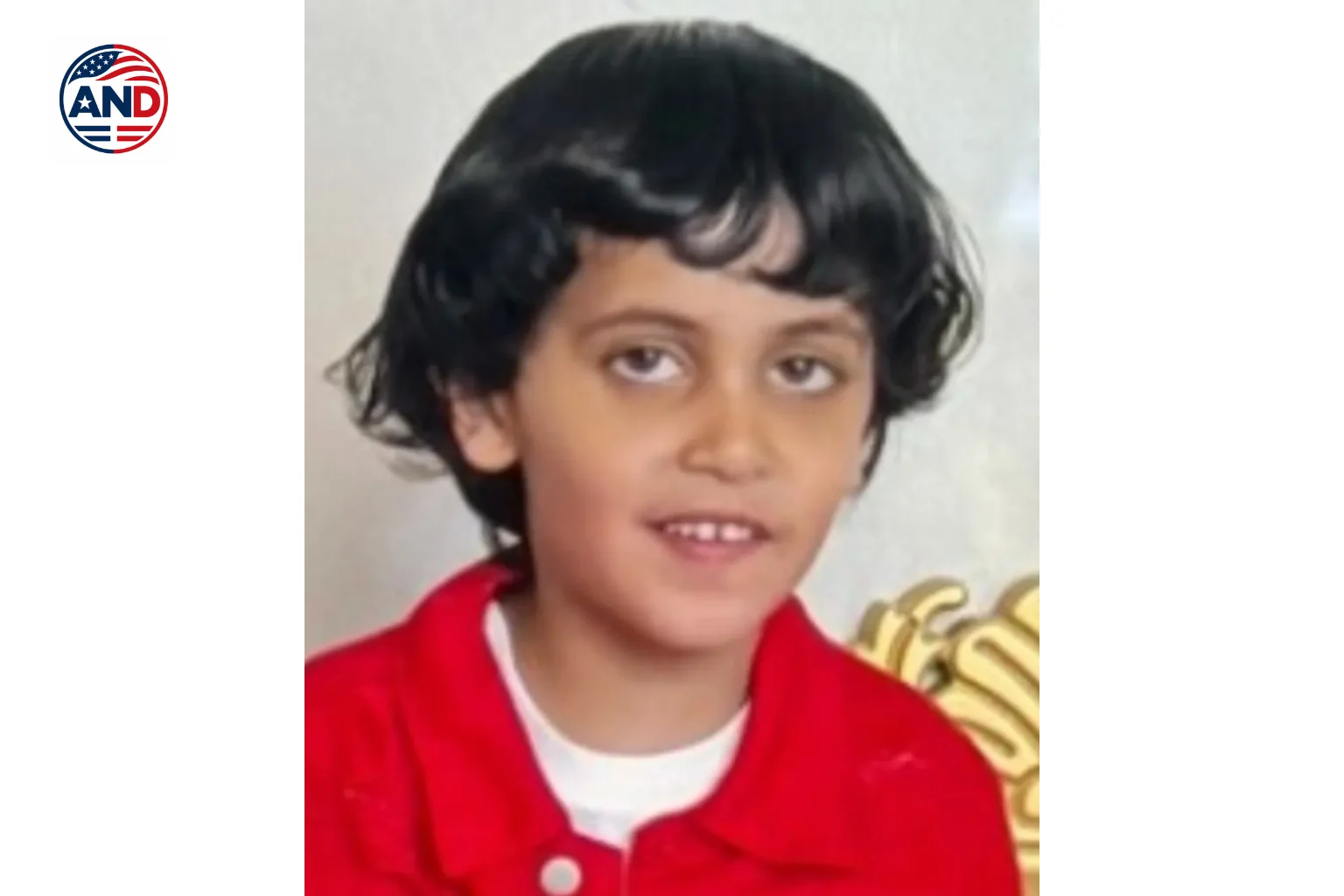
Missing Child Albany NY Update: 7-Year-Old Harbe Nagi Found Dead In Menands After Two-Day Search
 AND Editorial Team
A missing child case near Albany, New York ends in tragedy on Tuesday, June 30, 2026. Seven-year-old Harbe Nagi is found dead after a large search in Menands. Menands is a village just north of Albany. Spectrum News reports that the Village of Menands confirms Harbe is found dead and says the circumstances remain under investigation.
The case starts on Sunday, June 28. Harbe disappears from a home on Park Drive during a visit in Menands. WNYT reports that the Albany County Sheriff’s Office says Harbe was last seen at 4:20 p.m. on Sunday.
This story draws wide local attention because Harbe is young, nonverbal, and on the autism spectrum. Police and neighbors search for him from Sunday night into Tuesday morning. The search covers yards, wooded areas, trails, and water areas near Park Drive.
The latest missing child Albany NY found update confirms the worst fear for the family and community.
CBS6 Albany reports that Harbe’s uncle posts that the child is found dead. The outlet says Harbe had been missing since a graduation party late Sunday afternoon. Spectrum News reports that the Village of Menands later confirms the death. The village says the case remains under investigation.
Times Union reports that Harbe is found on Tuesday morning in a backyard pool near where he was last seen. The report says the site is two houses away from the last known location.
Police do not close the case with one quick answer. They continue to review what happened. That point matters because early reports can change in fast-moving missing child cases.
Harbe Nagi is a 7-year-old boy from the Albany area. The Albany County Sheriff’s Office identifies him as Harbe M. Nagi, according to B95’s local alert update. The same update lists him as 3 feet 7 inches tall and 48 pounds.
Reports say Harbe has autism and is nonverbal. The New York Post reports that he primarily speaks Arabic and does not live in the Menands neighborhood where he disappears.
These details are important for public safety. A child who is nonverbal may not answer when people call his name. A child who does not know the area may also move in unsafe directions.
This is why police ask people to call 911 if they see him and to speak softly. The New York Post reports that authorities warn he may become overwhelmed.
Harbe is last seen on Park Drive in Menands. WNYT reports that he disappears around 4:20 p.m. on Sunday, June 28. He wears a light-colored shirt, dark pants, and no shoes.
CBS6 reports that Park Drive shuts down on Tuesday morning as the search grows more focused. Police do not first explain why the road closes. The search then moves into a more urgent stage.
The location matters because Menands includes homes, backyards, trails, trees, and nearby water areas. Search teams check many places where a small child may hide, fall, or get trapped.
This is one point many quick stories miss. A missing child search in a neighborhood does not only mean searching streets. It means searching yards, sheds, decks, pools, basements, bushes, cameras, and water.
The search for Harbe grows across 2 days. Times Union reports that police, forest rangers, and community members join the effort. It says the search uses special sound cues, including an ice cream truck and the song “Twinkle, Twinkle, Little Star.”
The New York Post reports that multiple agencies join the search. The list includes New York State Police, the Albany County Sheriff’s Office, Menands Police, and the FBI’s Albany Office.
CBS6 reports that drones, forest rangers, and K-9 units also take part in the search. The search covers backyards, trails, and Little’s Lake.
This response shows how fast a missing child search can become a multi-agency operation. It also shows why neighbors matter. A police team cannot see every backyard, garage, and camera feed without help from residents.
Harbe’s autism and nonverbal status shape the search. The New York Post reports that Harbe is known to wander, likes exploring, likes climbing, and has a strong interest in water.
That changes how search teams work. Searchers do not only look along normal walking paths. They also check places that may attract a child, such as water, lights, music, and familiar sounds.
The use of ice cream trucks also shows this approach. Search teams try to use a sound that may draw Harbe out without frightening him. They also play music that family members say he likes.
This is a key angle competitors often do not explain enough. Search planning must change when the missing child is nonverbal or has autism. The search needs quiet contact, soft voices, fast property checks, and quick water searches.
The family and community face deep grief after the discovery. CBS6 reports that Harbe’s uncle writes that the family is devastated. The uncle confirms the death in a social media post.
The New York Post reports that Harbe’s uncle is Adam Alharbi, the mayor of Hamtramck, Michigan. It says he flies to New York to join the search and says the family offers a $10,000 reward before Harbe is found.
Neighbors also help during the search. Reports say community members check yards, open garages, and search nearby areas. This local support becomes one of the few hopeful parts of the story before the tragic update.
The family’s grief now sits at the center of the case. Officials continue to investigate, but the public focus shifts from rescue to mourning.
You may see many headlines that focus only on the tragic outcome. That is natural. But there are important details here that you should not overlook.
These points matter because they show you how missing child alerts should work in real time. This is not just another missing child Albany NY update. It is a reminder that the right information, shared the right way, in the first hour, can make a life-saving difference.
The first hour of a missing child case matters because every minute expands the search area. A 7-year-old child can move across yards, trails, roads, and water edges fast. A child who is scared may hide. A nonverbal child may not answer calls. A child with autism may move toward a sound, a place, or a sensory interest.
That is why police ask residents to check cameras and private property. One doorbell clip or backyard camera can show direction. One garage check can remove a search area. One pool check can save time.
The Harbe Nagi case shows that search teams need public help, but public help must stay careful. Residents can check cameras, sheds, cars, pools, and yards. But they should not crowd the scene or interfere with police work.
This case gives families and neighbors a serious safety reminder. Homes near water need extra checks when a child has a known interest in water. Pools need locked gates. Doors need alerts. Families who visit new homes may need one adult assigned only to watch the child.
Neighbors also play a role. In a missing child alert, people should check cameras, yards, unlocked sheds, pools, parked cars, and crawl spaces. They should call 911 if they see anything useful.
For a child with autism, people should avoid loud voices and sudden moves. Police in this case ask anyone who sees Harbe to call 911 and speak softly because he may become overwhelmed. This advice does not blame the family. It shows how fast a child can vanish during a normal family event.
Police now continue the investigation. Spectrum News reports that the Village of Menands confirms Harbe is found dead and says the circumstances remain under investigation.
Times Union reports that police find no immediate sign of foul play, but officials still review the unusual circumstances around the death.
That means the public should wait for official updates before making claims online. The case involves a child, a grieving family, and an active investigation.
The safest wording is clear. Harbe Nagi is found dead after a two-day search in Menands. Officials continue to investigate how the tragedy happens.
The missing child Albany NY case now becomes a local tragedy and a public safety lesson. It shows how quickly a family visit can turn into a search. It shows how autism, nonverbal communication, language, and water interest can change a rescue effort. It also shows why neighbors must act fast when police ask them to check property.
The search brings together police, state agencies, federal support, forest rangers, K-9 teams, drones, and residents. That response shows the seriousness of the case. But the ending leaves the community grieving.
Harbe Nagi’s death now raises one main question for every neighborhood. When a child goes missing, can the first alert give people the exact details they need to search the right places fast? That is the lesson this case leaves behind.